Free vs Paid ISBN for Self Publishing Authors: What You Need to Know
Should you use a free ISBN from Amazon or buy your own? Discover the limitations of platform-provided ISBNs and how some lucky authors get them for free from national agencies.
Publishing your own book is a thrilling milestone. But as you navigate the setup process on platforms like Amazon KDP or IngramSpark, you face a common dilemma: should you use their free ISBN or buy your own?
It is tempting to save money and choose the free option. However, “free” often comes with hidden costs in terms of control and distribution.
This guide explores the differences between free and paid ISBNs. We also look at how some authors are lucky enough to get legitimate ISBNs for free based on where they live.
The Limitations of Free ISBNs from Platforms
When you accept a free ISBN from a self-publishing platform, you are agreeing to specific terms. These identifiers are convenient, but they restrict your publishing business in significant ways.
1. You Are Not the Limitless Publisher
The biggest downside is branding. When you use a free ISBN from Amazon KDP, “Independently Published” appears as the publisher name on your book’s listing.
If you use a free ISBN from IngramSpark, their imprint name appears.
You cannot use your own publishing name or press name. This signals to bookstores, libraries, and readers that the book is self-published using a free service. For authors trying to build a professional publishing brand, this is a major drawback.
2. Distribution Restrictions
Free ISBNs are generally locked to the platform that issued them.
- Amazon KDP: An ISBN assigned by KDP can only be used on Amazon. You cannot use that same ISBN to publish your book on IngramSpark, Lulu, or Barnes & Noble.
- IngramSpark: Similarly, their free ISBNs are for use within their distribution network.
If you want to publish wide (sell on multiple platforms), you will need a different ISBN for each platform if you rely on their free options. This results in your book having multiple ISBNs for the exact same format, which confuses sales data and metadata.
3. Limited Control Over Metadata
The book metadata linked to an ISBN is crucial for discoverability. When you own the ISBN, you have full control over this data in the global books in print database.
With a platform-assigned ISBN, the platform controls the record. If you ever decide to unpublish or move your book, you might face difficulties updating or managing that record.
The “Born Lucky” Factor: Free National ISBNs
Not all free ISBNs are created equal. In the United States and UK, authors must pay for ISBNs (through Bowker and Nielsen, respectively). However, many other countries view ISBNs as a public service.
If you are a citizen of one of these countries, you might be “born lucky” in the publishing world.
Countries with Free ISBN Services
Government-run national agencies in these countries provide ISBNs to their citizens at no cost:
- Canada: Library and Archives Canada
- India: Raja Rammohun Roy National Agency (See our guide on ISBN in India)
- South Africa: National Library of South Africa
- New Zealand: National Library of New Zealand
- Croatia, Iceland, Turkey, and many others
How It Works
To access these free ISBNs, you generally need to provide proof of citizenship or permanent residency. This often involves submitting a copy of your passport or national ID card to the specific agency.
Once verified, you are issued ISBNs that are functionally identical to the expensive ones US authors buy.
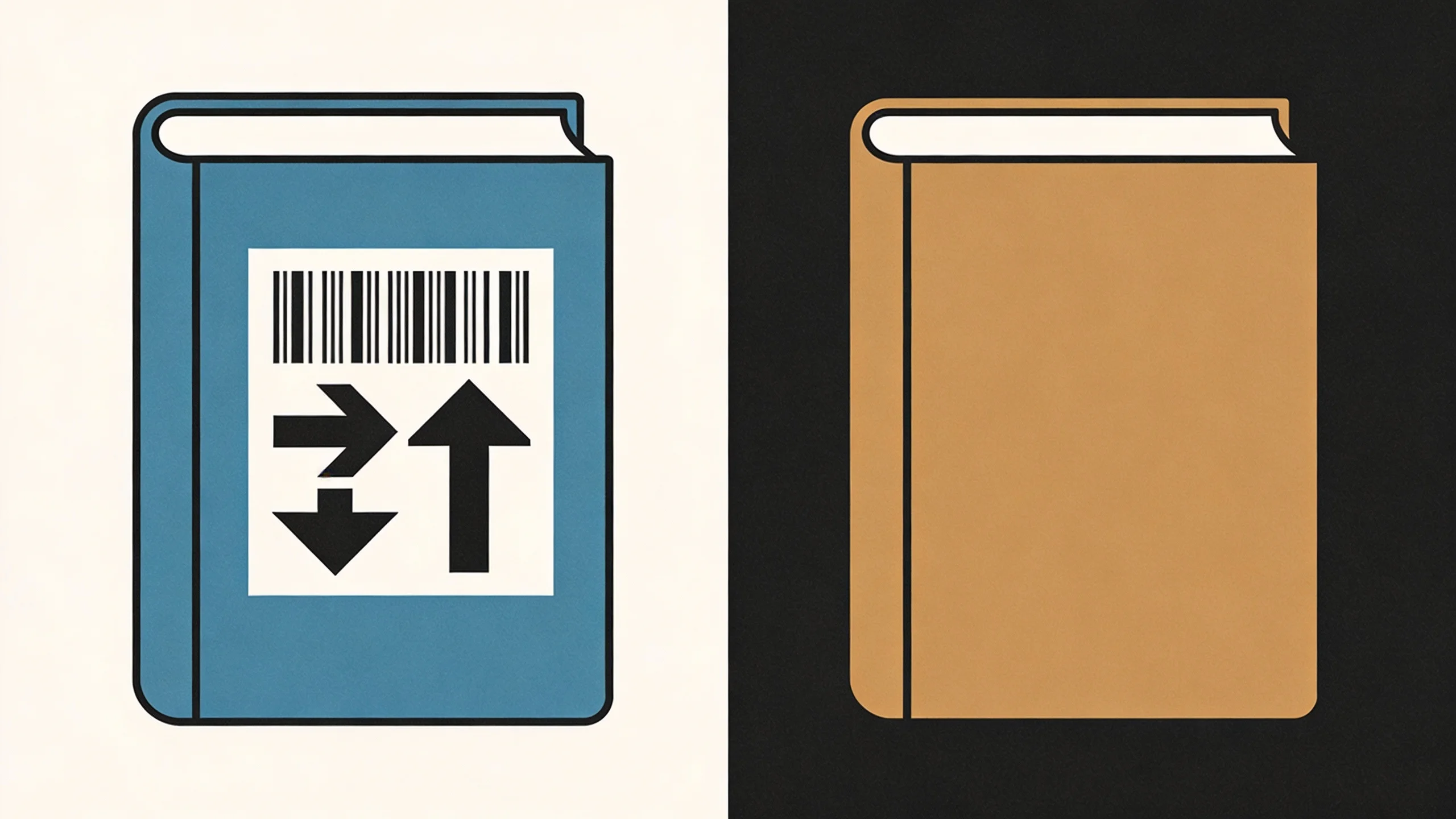
Agency Free ISBNs vs. Platform Free ISBNs
It is important to distinguish between the two types of “free” ISBNs.
Platform ISBNs (Amazon/Ingram):
- Publisher: The Platform
- Usage: Locked to the platform
- Value: Low flexibility
National Agency ISBNs (Canada/India/etc.):
- Publisher: YOU (You list your own name or imprint)
- Usage: Global (Use on Amazon, Ingram, anywhere)
- Value: High (Same as a purchased ISBN)
If you live in a country with a free national agency, there is no downside. You get all the benefits of a paid ISBN—being the publisher of record and full ownership—without the cost.
Conclusion
If you are serious about your author career and want full control, owning your ISBN is the best choice. For US and UK authors, this means buying them.
However, check your local laws first. You might be in a country that supports its authors with free identifiers. If you can get an ISBN from your national agency, do it. It is just as good as a bought one and allows you to build your publishing brand on your own terms.